
This is a long overdue blog about safety legislation, the SafeWork NSW v The Owners – Strata Plan No 93899 [2024] NSWDC 277 case and how it affects our strata and community title schemes.
This week I am talking about physical safety. Next fortnight I’ll discuss psycho-safety.
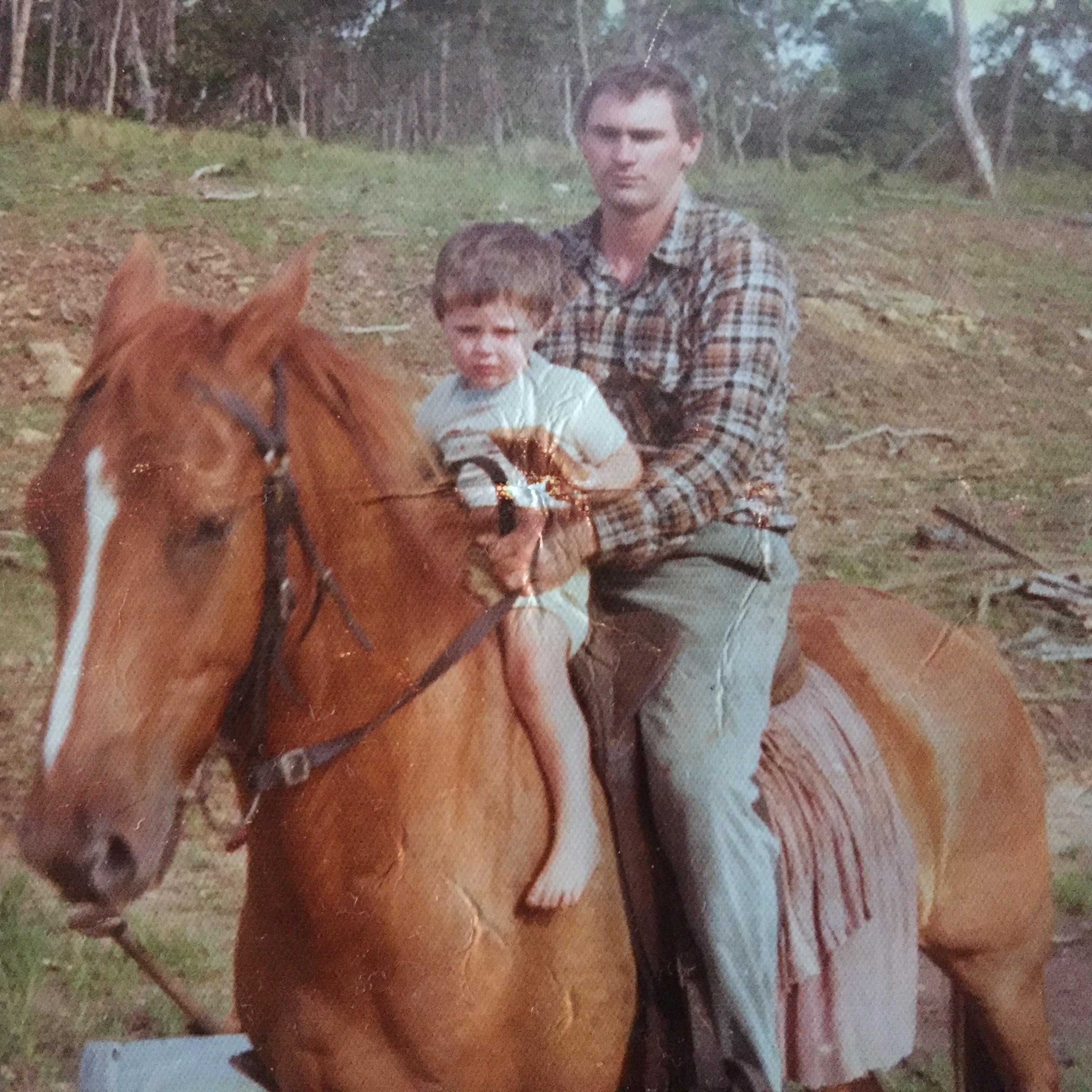
It’s something that I have held back on writing about. Safety is something that I am passionate about. Why? One day, Dad didn’t come home from work. There was an accident on our farm, he was crushed by a tree, and he died that night from his injuries. I write this not for sympathy but so that safety does not fall into the “it’ll never happen to me” category. Accidents can and do happen.
Back to the case, on 11 July 2024, the District Court set out its decision convicting the owners corporation of breaching work health and safety laws following a fatal incident on common property. It was one of the first prosecutions of its kind against a strata scheme. It carries important lessons for owners corporations, strata managers, and their insurers across Australia.
What happened?
The strata scheme in question was an eight-lot industrial complex which was surrounded by a perimeter fence that included a large custom-built sliding electric gate—approximately 8.5 metres long and 2 metres high. The gate was common property.
On 4 June 2020, a van collided with the gate at high speed. While the gate remained upright, it sustained serious damage including:
- It was bent out of shape and partially pulled off its track
- The electric motor was disconnected
- The guideposts were damaged
- The stopper designed to prevent the gate from over-travelling was displaced and no longer functional
Warning tape was placed around the gate and damaged guideposts. However, no further steps were taken to repair, replace, or make the gate safe.
The next day, occupants at the site undertook makeshift repairs that allowed the gate to be operated manually. However, this created a serious hazard: when operated manually, the gate could over-travel past the displaced stopper, come off its tracks, and fall.
Less than two weeks after the gate was damaged, Mr Jose Martins—an employee of a business operating within the complex—was attempting to manually open the gate when it over-travelled, came off its tracks, and fell on him. He suffered fatal crush injuries.
Three separate entities faced prosecution arising from this incident:
1. The owners corporation
2. The strata managing agent; and
3. The employer of the Mr Martins.
The Court identified multiple failures by the owners corporation that contributed to Mr Martins’ dealt including failure to conduct a risk assessment after the gate was damaged, failure to put up signage instructing people not to operate the gate (and to instruct them not to do so) until it was repaired or replaced and of course a breach of its duty to maintain and repair the common property.
The strata manager had been appointed under an agreement giving it “complete authority to effect repairs at the site, maintain the common property and engage qualified people to carry out repair work.” While the strata manager issued a work order to a contractor on 5 June 2020, it did not arrange for the repair to be treated as urgent.
The decision confirms that owners corporations can be persons conducting a business or undertaking (PCBUs) under the Work Health and Safety Act 2011 (NSW). As PCBUs, they owe duties under section 20 of that Act to ensure, so far as is reasonably practicable, that the health and safety of workers and other persons is not put at risk from work carried out as part of the conduct of the business or undertaking.
Key Implications for Owners Corporations and Strata Managers
Owners corporations and strata managers should be aware that:
1. Owners corporations have direct WHS obligations
Owners corporations cannot assume they are exempt from work health and safety laws simply because they are not traditional employers. Where common property is used as a workplace—particularly in industrial, commercial, or mixed-use schemes—the owners corporation may be a PCBU with active duties to manage safety risks.
2. Delegation does not absolve responsibility
Appointing a strata manager with broad authority to manage repairs does not discharge the owners corporation’s underlying duties. Both the owners corporation and the strata manager were separately prosecuted and convicted.
3. Urgency matters
The Court noted the contrast between the urgent repair of a damaged water meter and the failure to treat the damaged gate with similar urgency. When common property presents a serious safety hazard, prompt action is essential.
4. Conduct a Risk assessment
Failure to conduct a risk assessment following a known hazard was identified as a specific failure. Owners corporations should have processes for identifying, assessing, and responding to safety risks on common property.
5. Check your insurances
Owners corporations and their insurers should review whether existing policies cover defence costs and penalties arising from WHS investigations or prosecutions.
This case is a stark reminder that owners corporations—particularly those managing industrial or commercial common property—bear real and enforceable work health and safety obligations. Mr Martins’ death, and the subsequent convictions of the owners corporation, strata manager, and his employer, underscore the importance of prompt action when safety hazards emerge on common property.
For strata schemes and their managers, the key takeaways are clear: treat safety hazards with urgency, conduct proper risk assessments, implement clear controls, and do not assume that delegation to a strata manager absolves the owners corporation of its legal duties.
Everyone deserves to be safe and to come home from work.
This is general information only, it is not legal advice. Please seek legal advice tailored to your situation.
 Thoughts from a strata lawyer ...